Cystic fibrosis is a genetic condition that affects multiple organ systems but has the greatest impact on the lungs and the digestive system. It is Canada’s most common fatal genetic disease affecting young children and adults.
The severity of cystic fibrosis (CF) differs between individuals. CF is a genetic multisystem disease which causes thick sticky mucus buildup that primarily affects the lungs, leading to CF patients experiencing persistent and ongoing lung infections resulting in progressive destruction and loss of lung function that threaten their lives. As CF is multisystem, other key complications affect the respiratory, digestive, metabolic, endocrine, reproductive, and musculoskeletal systems. Major associated conditions include malnutrition, CF-related diabetes, liver disease, male infertility, nasal polyps, and decline in bone density.
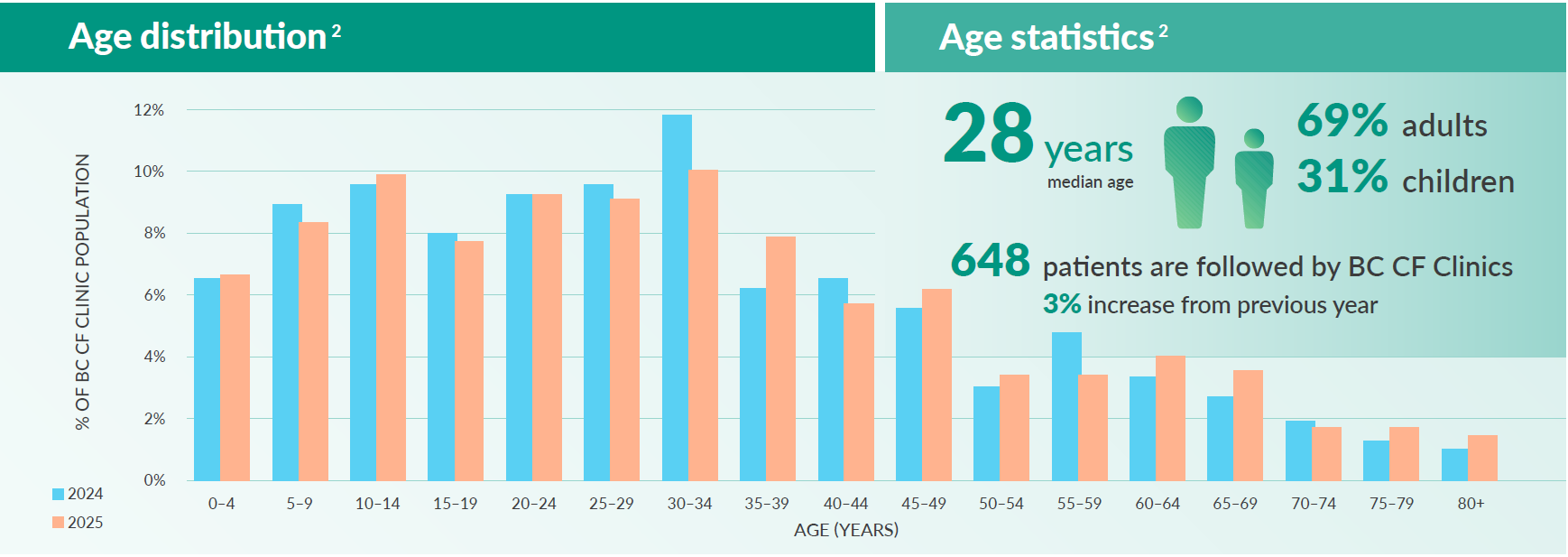
Cystic fibrosis does not have a cure, but medical advances have radically changed and extended the lives of people living with CF. BC now has more adult CF patients than pediatric CF patients. The health system has pivoted to address this shift in CF population demographics—it is no longer treated as a childhood-specific disorder. We expect the adult CF population to continue growing as treatments and management evolve.
If you are visiting one of the CF clinics in BC for treatment, you are eligible to apply for funding to help cover CF medication and equipment costs, and travel expenses for CF-related treatment. Visit the BC Funding for CF Medications & Travel webpage for details.
CF newborn screening and early introduction of care in a child's life can help manage the condition and prevent or reduce later complications. Advances in management of the disease have led to better patient outcomes and increased life expectancy. These advances include some patients receiving lung transplants later in their lives.
Newborn screening is done on day two of life for all babies born in BC and the Yukon. Babies are now typically diagnosed with CF in their first month of life with this screening. The average age of a CF diagnosis is three to four years. As a result, CF care is now more proactive and focused on preventing disease progression.
The screening process for CF involves three steps:
- Measure the level of a protein in the baby's blood
- Perform a DNA test that looks for changes (variants) in one of the baby's genes
- Perform a sweat test to confirm if the baby has CF by measuring how much salt is in the baby's sweat. A large amount of salt in sweat indicates CF.
For more information about screening and testing, visit Perinatal Services BC:
Newborn Blood Spot Card Screening
Keeping healthy while living with CF means taking care of yourself emotionally and physically. Attention to your mental health is a key part of CF care in BC. Your CF care teams are there to listen to you and help find the best supports and resources available to promote your mental well-being.
Feelings of sadness, anger and frustration are common, and there are options to help you with them. Do not hesitate to connect with your CF team about emotional challenges and for assistance. Visit CF Care BC’s Mental Health Resource Directory to find mental health support available near you.
Clinics providing specialized care services
Care that is focused on people with CF is available at four BC CF clinics.